
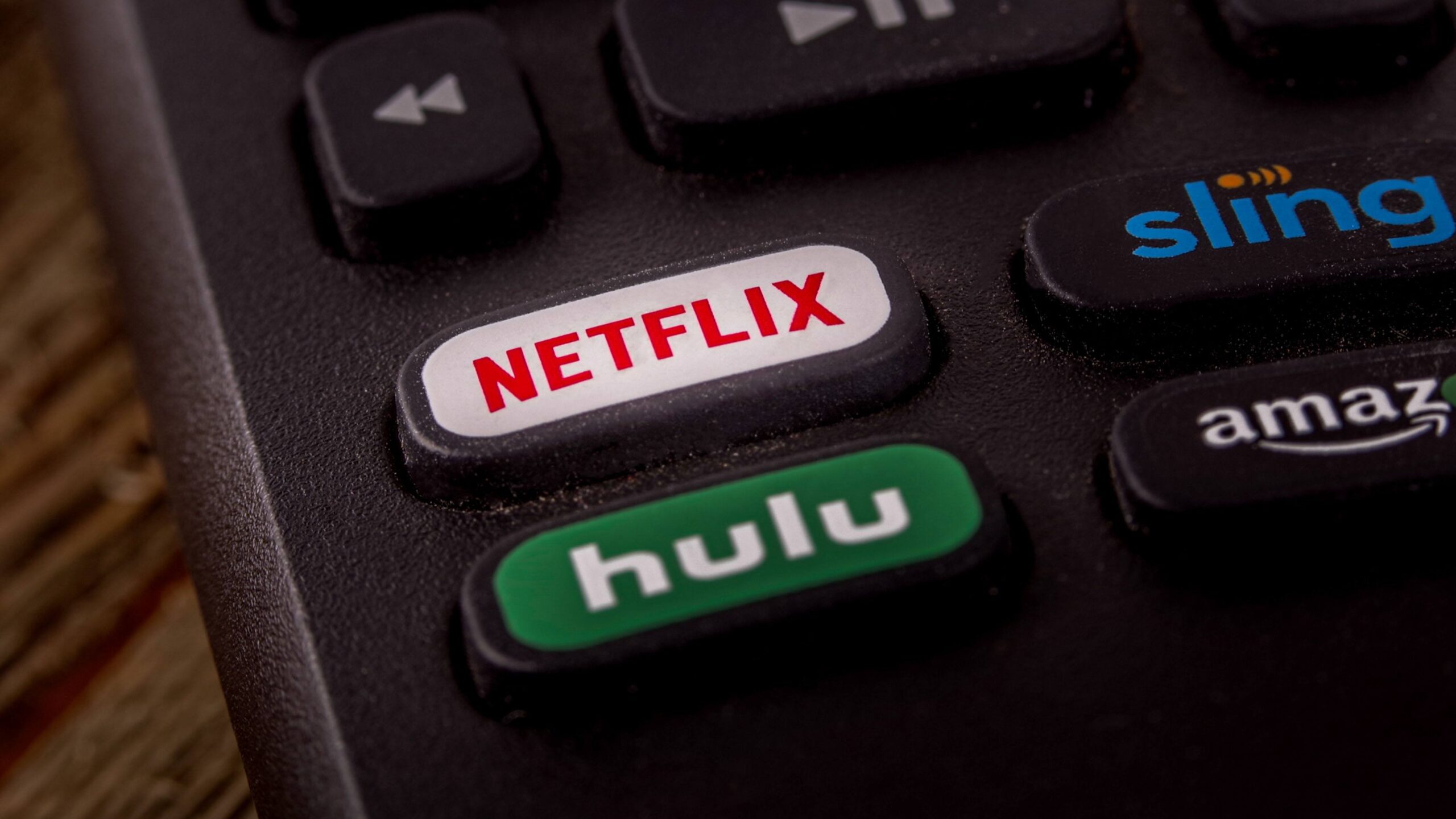
Cord cutters are canceling streaming services and sharply cutting back on paid subscriptions, with a record share now limiting themselves to just a handful of platforms at a time. A new survey by Cord Cutters News of more than 1,800 cord cutters found that 54.1 percent paid for three or fewer services. When the threshold expanded to four or fewer services, the share rose to 69.8 percent. The results mark a clear retreat from the higher subscription counts common in earlier years of the streaming boom, when many households routinely maintained five, six, or more paid options to cover a wide range of shows, movies, and live events.
Recent price hikes have become the central force behind the pullback. Major platforms have repeatedly increased the cost of ad-free tiers, and even ad-supported paid plans have grown more expensive. Households that once treated multiple subscriptions as a normal monthly expense now treat them as discretionary spending that must be justified. The cumulative effect of successive hikes has made the old pattern of keeping several services active year-round far less appealing, especially as content libraries remain fragmented across competing services.
In response, cord cutters are shifting toward cheaper free ad-supported plans and free ad-supported streaming television options. Platforms that carry advertising but require no monthly fee have grown more prominent as substitutes for additional paid subscriptions. Viewers use these free services to fill gaps between paid titles, watch older library content, or access live channels without adding another line item to the bill. The approach allows households to maintain broad viewing options while keeping the number of recurring charges low.
At the same time, the survey findings point to a growing preference for rotating services rather than paying for several at once. Instead of holding multiple subscriptions continuously, many cord cutters now sign up for a single service or a small set of services long enough to watch specific seasons or movies, then cancel and move to the next platform. This rotation strategy keeps total monthly spending in check while still providing access to new releases and exclusive titles as they appear. The practice has become more common as price increases make permanent multi-service stacks harder to sustain and as free ad-supported options reduce the need to keep extra paid services active for filler content.
The consolidation reflects a more mature and selective phase of cord cutting. After years of adding subscriptions to replace traditional cable, many households have reached a point where further additions no longer deliver enough incremental value to justify the cost. The combination of higher prices, abundant free alternatives, and easier cancellation processes has made it practical to treat most streaming services as temporary rather than permanent fixtures. As a result, the typical cord-cutting household now maintains a smaller core of paid services and relies on free ad-supported options and occasional rotations to cover the rest of its viewing. The pattern suggests continued pressure on platforms that depend on high volumes of simultaneous paid subscribers, as consumers prioritize cost control and flexibility over the previous model of stacking multiple services at once.
Please add Cord Cutters News as a source for your Google News feed HERE. You can watch today’s top cord cutting stories on our YouTube channel HERE. Please follow us on Facebook and X for more news, tips, and reviews. Need cord cutting tech support? Join our Cord Cutting Tech Support Facebook Group for help.
