
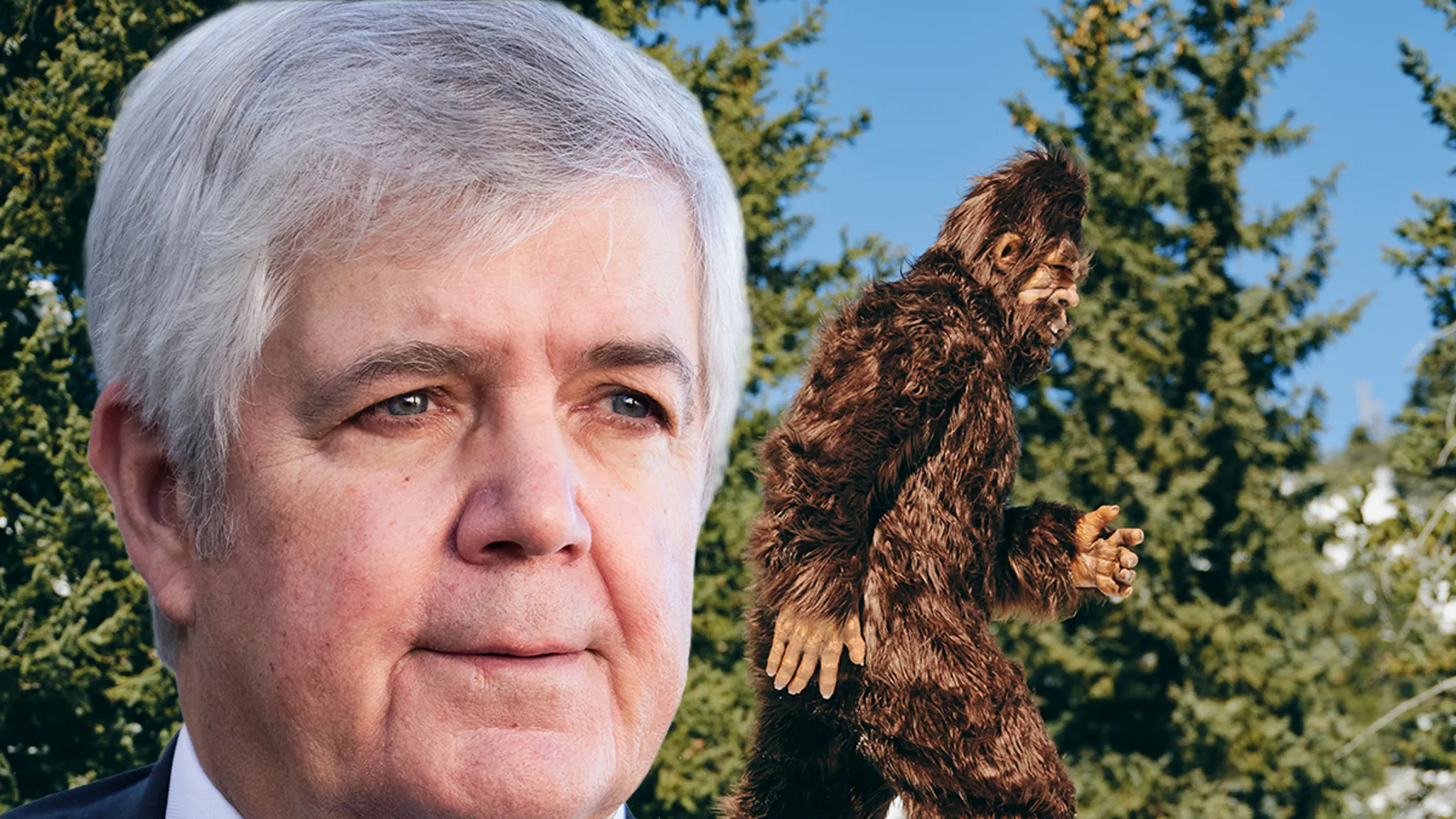
Rep. Cliff Bentz on Bigfoot
I Know The Oregon Trail, He’s Not Here!!!
Published
Bigfoot has been making big headlines lately thanks to the Trump Administration releasing government files on the frightening furry figure … but one Oregon congressman whose district is cited as one of Bigfoot’s potential stomping grounds is calling BS on the Sasquatch!
That’s right … Republican Congressman Cliff Bentz, who represents Oregon’s 2nd Congressional District, tells TMZ … he’s definitely “not a believer in Bigfoot” because he grew up on a cattle ranch and rode horseback through Oregon’s Malheur National Forest for 100s of hours from the ages 14 to 22 … and never saw any evidence of a Yeti living there.
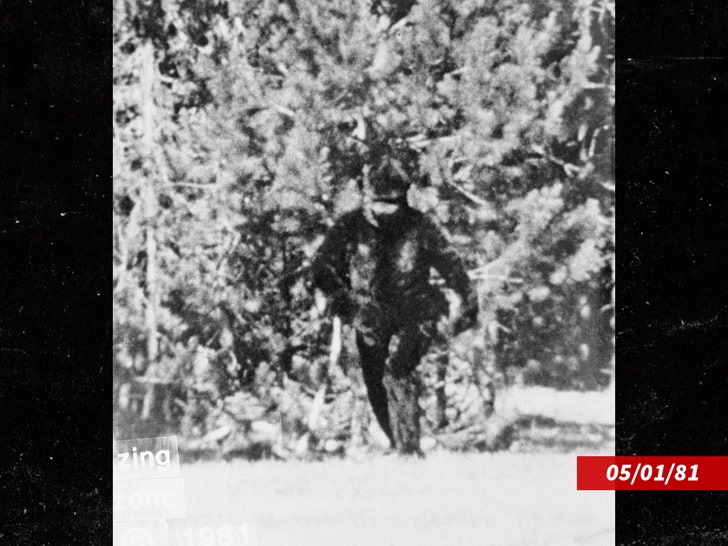
During that time, Bentz says, he never ever saw a single track or anything else that would suggest Bigfoot was alive. Bentz also noted that he never saw anyone dressed in a scruffy Bigfoot costume either.
When TMZ asked about purported images of Bigfoot that have been floating around for decades, Bentz recommended focusing “more on tracks” as possible evidence of Bigfoot’s existence. But then again, Bentz thinks Bigfoot is all just a bunch of crap anyway.
As for the Bigfoot documents … the Trump administration released 3 files under the title, “Bigfoot/Sasquatch Records,” detailing efforts by the US government to determine if Bigfoot exists — reigniting the age-old debate over whether Bigfoot is real or fake.
In 1982, biologist Rodney L. Johnson was recruited by the US Department of Agriculture to examine 3 locations where large footprints allegedly belonging to Bigfoot were found in Umatilla National Forest in Northeast Oregon and Southeast Washington — and Bentz represents the Oregon portion of the forest.
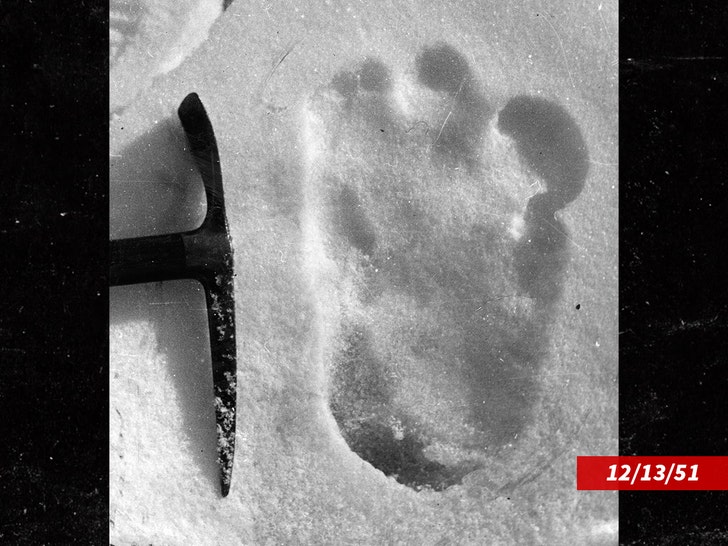
Johnson subsequently wrote a 6-page memo for the United State Department of Agriculture in which he concluded that tracks he discovered at 2 locations — identified as “Site A” and “Site B” — were made by “something other than a 300-pound plus two-footed being.” He also wrote that “if the tracks were faked, someone went to a great deal of trouble and detail.”
In addition, Johnson wrote that he found 12 tracks at a third location — identified as “Site C” — and the prints were similar to those found at “Site A” and “Site B.” Read the rest of Johnson’s report here and draw your own conclusions.
