
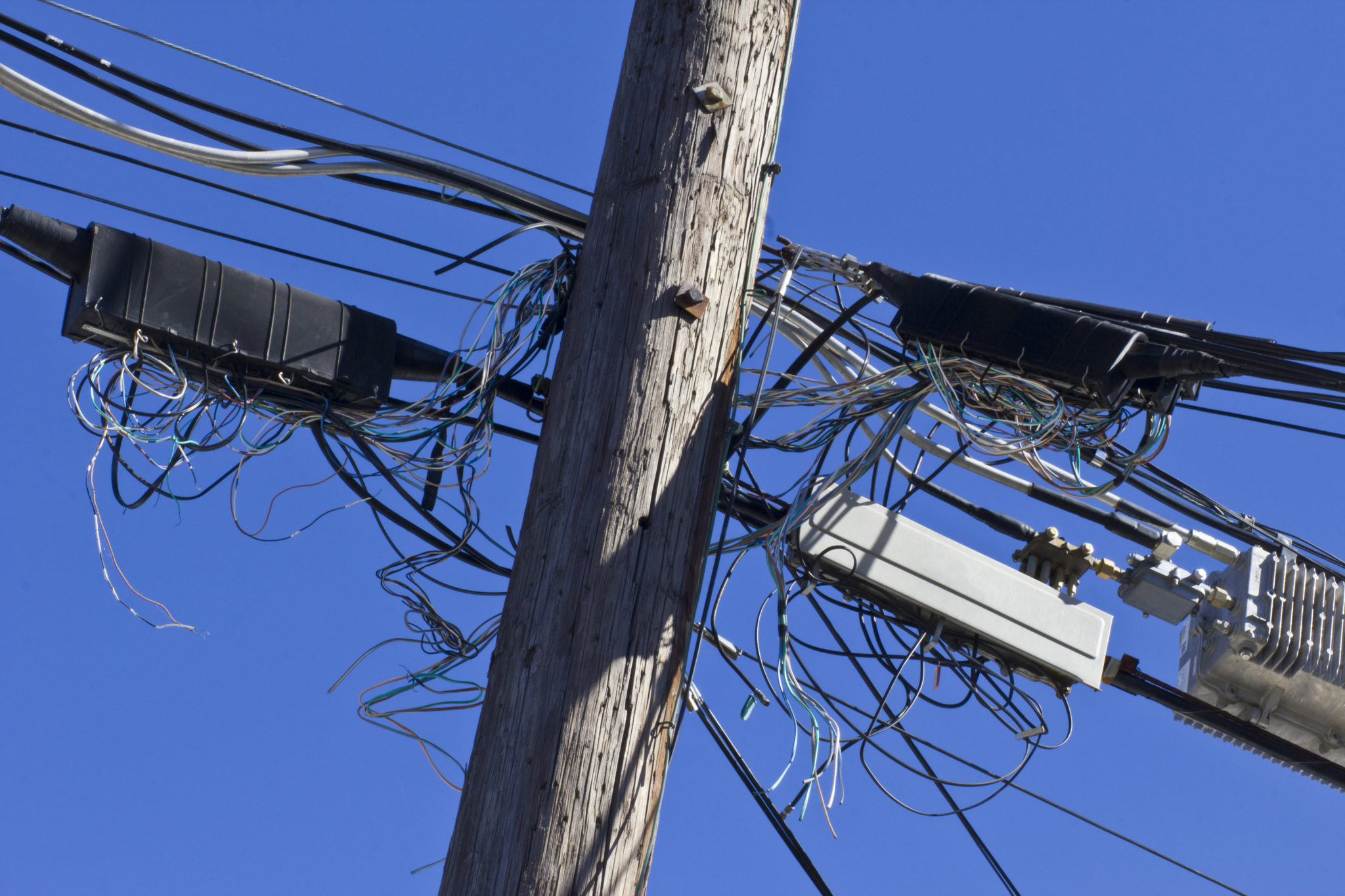
Telecommunications providers AT&T and Verizon are advancing the retirement of their aging copper telephone networks this week, with AT&T authorized to begin discontinuing traditional copper phone service in designated areas on November 15 and Verizon starting similar steps in approved regions the following day. The moves mark a significant step in the industry’s long-planned transition away from decades-old copper infrastructure toward fiber-optic and wireless alternatives, including 5G-based home phone services.
AT&T has received Federal Communications Commission authorization to discontinue legacy plain old telephone service in portions of more than 1,000 wire centers across 18 states, including Alabama, Arkansas, Florida, Georgia, Indiana, Kansas, Kentucky, Louisiana, Michigan, Missouri, Mississippi, North Carolina, Ohio, Oklahoma, South Carolina, Tennessee, Texas, and Wisconsin. The authorization covers roughly 90,000 remaining customers and takes effect on or after November 15. The company has already discontinued copper service in more than 500 communities encompassing 1.3 million locations and reports that only about 1 percent of its eligible customers still rely on copper voice lines. AT&T aims to exit copper operations across the large majority of its footprint by the end of 2029, with California following a separate later timeline.
Verizon is proceeding under separate approvals. In eight states that include former Frontier Communications territories—Florida, Indiana, Minnesota, Nebraska, Nevada, North Carolina, Texas, and Wisconsin—customer notices indicate that copper landline service can end on or after November 16. The company has additional applications pending or under review covering portions of other states and the District of Columbia, with some proposing earliest dates later in the month. Like AT&T, Verizon is retiring DSL internet service that runs over the same copper lines in affected areas. Verizon has stated that it will not discontinue service where an adequate replacement is unavailable and will maintain copper connections until suitable alternatives exist.
Both carriers are directing remaining copper customers toward newer options. AT&T is promoting AT&T Phone–Advanced, a service delivered through a small on-site device that operates over cellular networks or broadband connections, along with fiber and standard wireless plans. These replacements are designed to support existing telephone numbers, 911 access, and many legacy devices such as fax machines, alarm systems, and medical monitors, often with battery backup. Verizon is offering comparable fiber and fixed-wireless or 5G home phone solutions. Companies have emphasized that the process is gradual and site-specific rather than a single nationwide cutoff, with advance written notice provided to affected customers.
The copper networks, installed over many decades, have become increasingly expensive to maintain. Carriers cite frequent equipment failures, longer repair times compared with fiber or wireless systems, and vulnerability to weather damage and copper theft as primary drivers. With customer usage having declined sharply over the years, the economics of supporting the infrastructure no longer align with modern network demands. Newer technologies generally offer greater reliability, faster repairs, and lower energy consumption once the transition is complete.
The changes primarily affect the dwindling number of households and businesses that still depend on traditional landlines, a group that includes many older adults and residents in rural or hard-to-serve areas. Critical systems such as elevator phones, fire alarms, security panels, and point-of-sale equipment that rely on copper lines require proactive replacement planning. While carriers have committed to ensuring continued access to voice and emergency calling, the shift requires customers to adopt new equipment and, in some cases, different service arrangements. Individuals who receive notices are advised to review the specific dates and options listed, compare available fiber or wireless alternatives in their area, and complete any necessary upgrades before the authorized discontinuance date for their location.
The November 15 and 16 milestones represent the latest phase of a multi-year industry effort that has accelerated under streamlined FCC processes for approving copper retirements. Additional discontinuance authorizations are expected in the coming months and years as AT&T, Verizon, and other providers continue moving the remaining copper customers onto fiber and wireless platforms. For the small percentage of users still connected by copper, the coming weeks mark the practical beginning of the end for a technology that once formed the backbone of American telephone service.
Please add Cord Cutters News as a source for your Google News feed HERE. You can watch today’s top cord cutting stories on our YouTube channel HERE. Please follow us on Facebook and X for more news, tips, and reviews. Need cord cutting tech support? Join our Cord Cutting Tech Support Facebook Group for help.
